
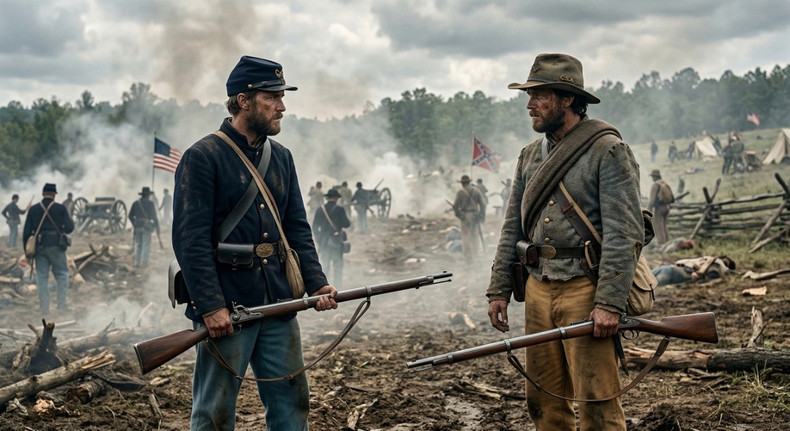
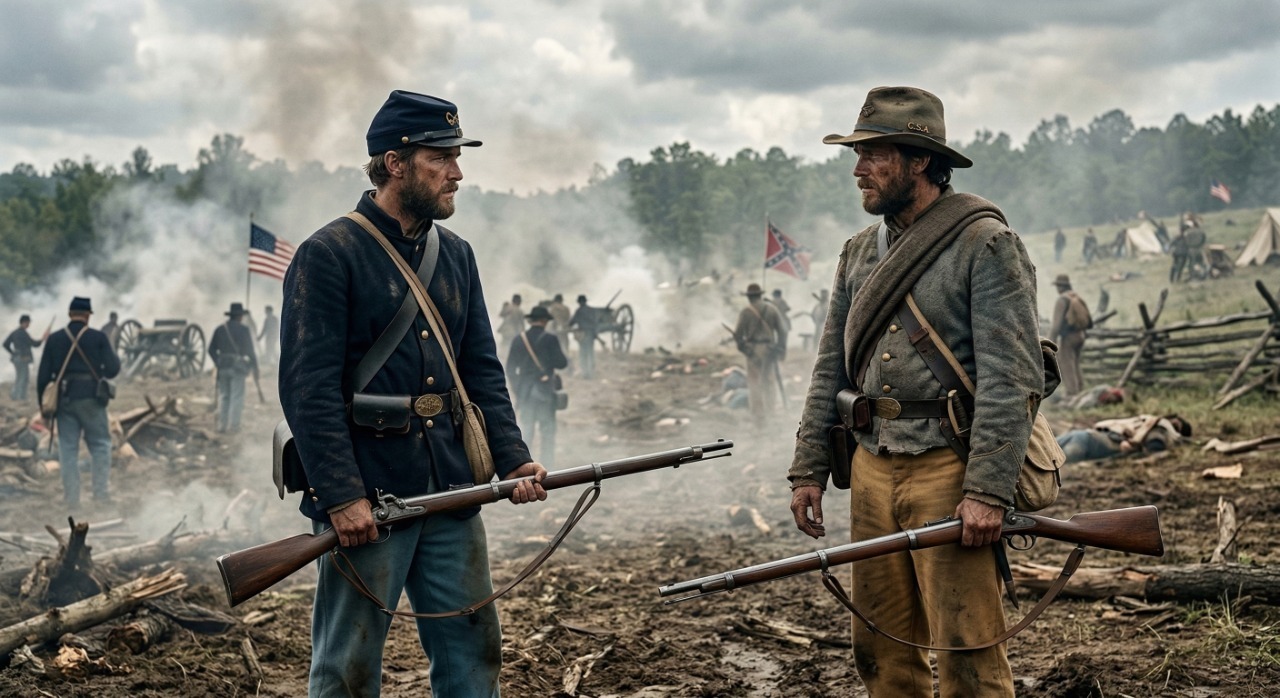
The American Civil War, fought from 1861 to 1865, was one of the most important conflicts in United States history. When people ask when Civil War battles happened, they usually refer to this four-year period that shaped the nation’s future.
An interesting part of this history is civil war attire. The clothing worn by soldiers was not only part of their military identity but also played a practical role in battlefield life. Civil war uniforms helped soldiers recognize allies and enemies during combat while also protecting them from harsh weather and long marches.
The contrast between the civil war union army uniform and the confederate uniform also reveals the different resources and challenges faced by the two armies.
When the Civil War Happened and Soldier Life
The Civil War lasted from 1861 to 1865. During this time, millions of soldiers fought in the Union and Confederate armies.
Soldiers spent much of their time marching, camping, and preparing for battle. Life in the army was difficult, and many soldiers lived outdoors for long periods.
Because of these conditions, civil war attire had to be durable and practical. Uniforms helped protect soldiers from weather while also giving them a sense of unity within their army.
Wearing similar civil war uniforms also allowed troops to identify friendly units quickly during battle.
Overview of Civil War Attire
Typical civil war attire included several basic clothing items designed for military use.
Most soldiers wore:
- A wool coat or jacket
- Wool trousers
- A shirt and undergarments
- Leather boots or brogans
- A military cap
- A belt for carrying equipment
Wool was commonly used in civil war uniforms because it was warm and durable. These clothes were designed to handle long marches and rough battlefield conditions.
Uniforms also allowed soldiers to carry essential items like ammunition, canteens, and other gear used during combat.
Civil War Union Army Uniform
The civil war union army uniform became one of the most recognizable military outfits in American history.
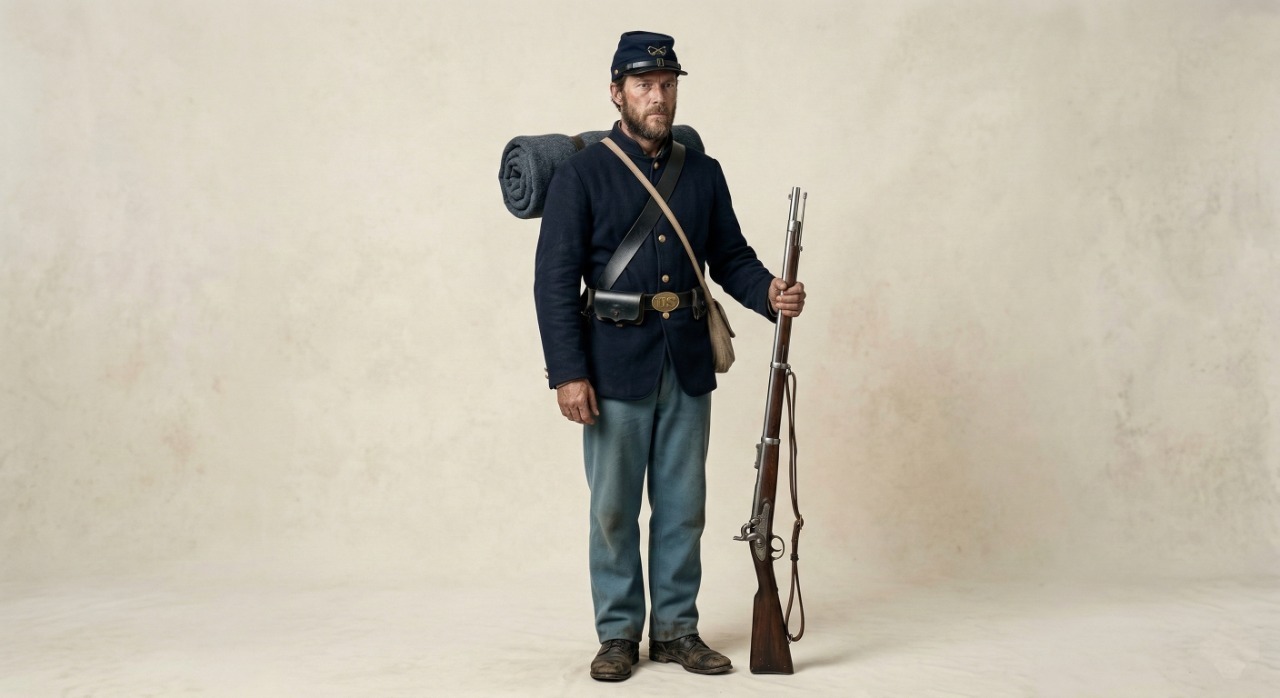
Union soldiers typically wore dark blue clothing that clearly distinguished them from Confederate troops. A standard Union uniform included:
- A dark blue wool coat
- Light blue trousers
- A kepi cap
- Leather boots
- A belt and cartridge box
Because the Union had stronger manufacturing capabilities, their civil war uniforms were usually more standardized and consistent across different units.
The blue color of the civil war union army uniform quickly became a symbol of the Northern army.
Confederate Uniform
The confederate uniform looked quite different from Union clothing.
Although Confederate leaders planned for gray uniforms, shortages of materials meant that soldiers often wore clothing in different shades such as:
- Gray
- Brown
- Butternut
Many Confederate soldiers mixed civilian clothing with military items because supplies were limited.
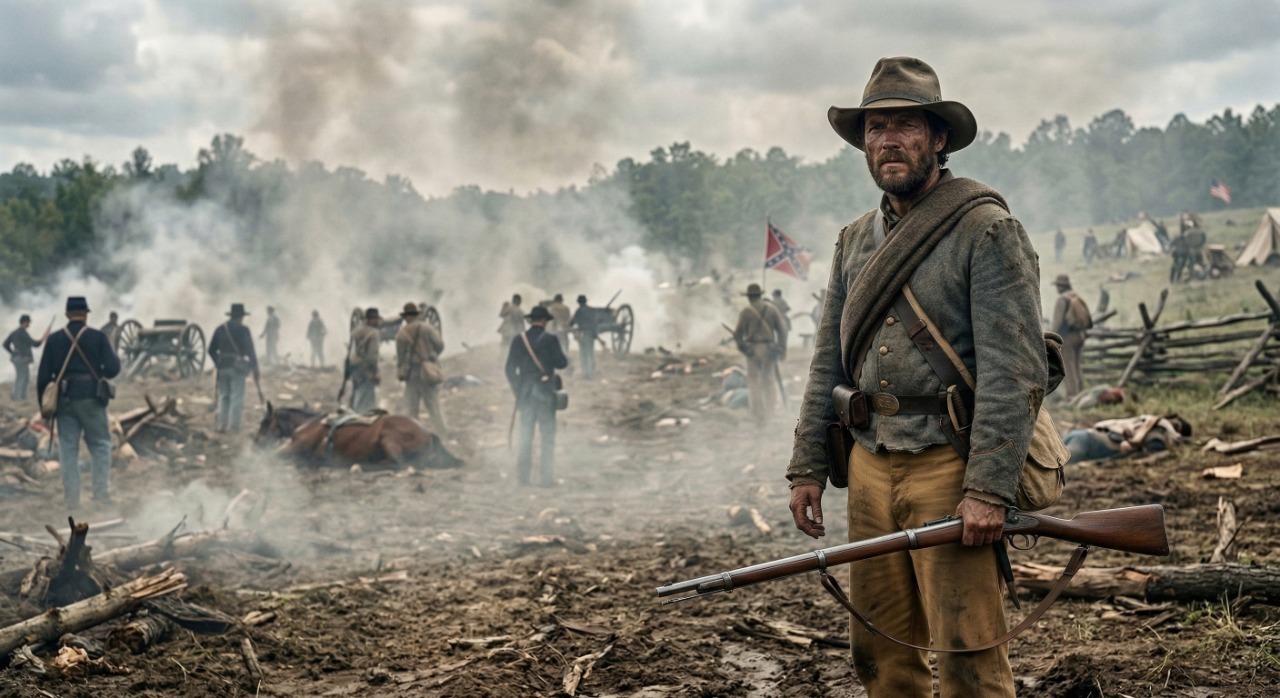
As a result, Confederate civil war attire often varied from one unit to another. Despite this variation, gray and butternut colors became strongly associated with the Confederate army.
Equipment and Weapons Carried by Soldiers
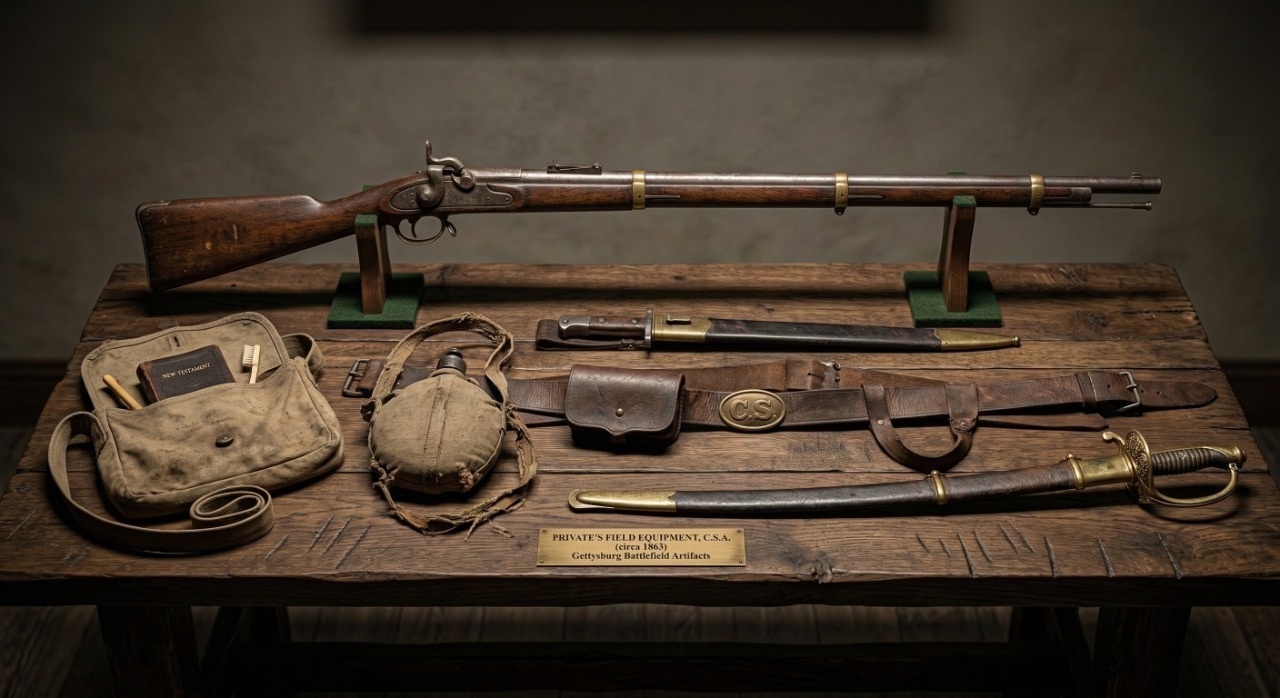
Civil War soldiers carried important equipment along with their civil war attire.
Common gear included:
- Cartridge boxes for ammunition
- Canteens for water
- Haversacks for food and supplies
- Bayonets attached to rifles
Among the most common civil war weapons used were rifles such as the Springfield and Enfield muskets. These firearms were the main weapons used by infantry soldiers.
Some officers and cavalry units also carried civil war swords, which were used in close combat and served as symbols of rank.
These us civil war weapons worked alongside uniforms to form the complete equipment of a Civil War soldier.
Differences Between Union and Confederate Attire
There were several important differences between Union and Confederate civil war uniforms.
Color:
Union soldiers wore dark blue, while Confederate troops often wore gray or butternut.
Standardization:
Union uniforms were produced in large factories, making them more consistent.
Supply:
Confederate soldiers frequently faced shortages, which caused greater variation in their civil war attire.
These differences reflected the industrial advantage held by the Union during the war.
Challenges of Civil War Clothing
Life on campaign was tough for Civil War soldiers, and civil war attire often suffered from heavy wear.
Soldiers marched long distances and faced extreme weather conditions. Over time, uniforms became torn, dirty, and faded.
Because replacement clothing was not always available, many soldiers had to repair their own civil war uniforms.
Confederate troops especially struggled with limited supplies and sometimes wore patched clothing or captured uniforms.
Conclusion
Although often overlooked, civil war attire played an important role in military life during the American Civil War.
The blue civil war union army uniform and the gray or butternut confederate uniform helped identify soldiers while also supporting them through harsh battlefield conditions.
Along with essential equipment and civil war weapons used, including rifles and civil war swords, these uniforms formed the complete image of a 19th-century soldier.
Today, historians, collectors, and reenactors continue to study civil war uniforms because they provide valuable insight into how soldiers lived and fought between 1861 and 1865.