
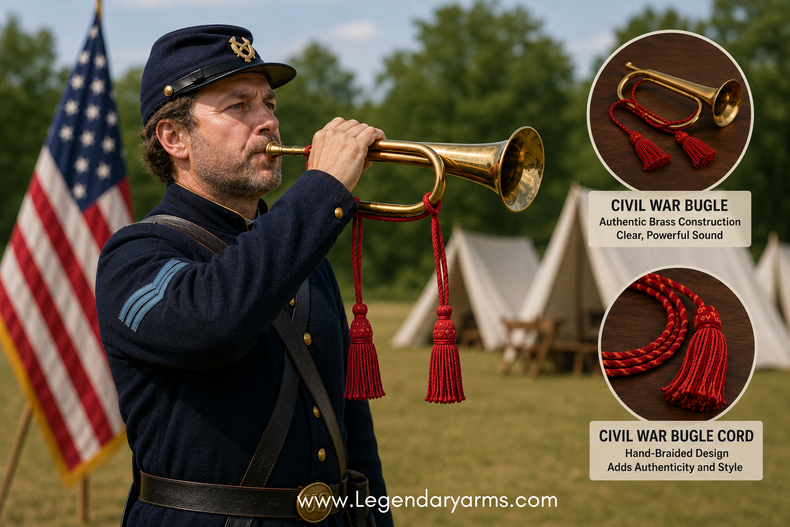
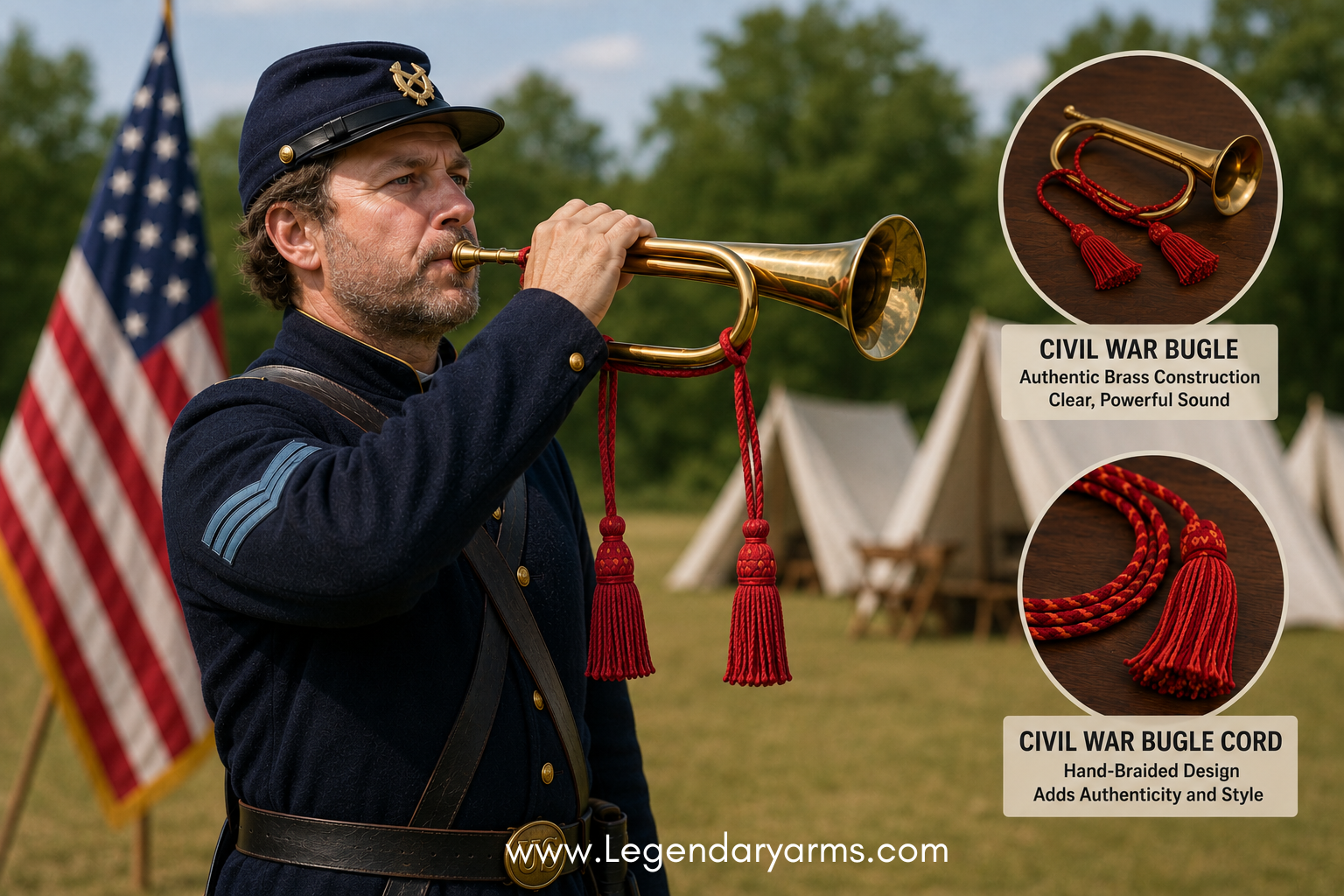
Civil War Bugle and Civil War Bugle Cord: A Symbol of History and Tradition
Long before radios or hand signals, a single brass instrument told thousands of soldiers when to wake, when to march, and when to retreat. The sound of a bugle call could move an entire camp into action within seconds. This simple but powerful instrument, the civil war bugle, became one of the most important tools on the battlefield. Alongside it, the civil war bugle cord served a practical role, helping buglers carry their instrument securely while keeping their hands free for duty. Today, both pieces are cherished by collectors, reenactors, and history enthusiasts who want to hold a real piece of that era. Whether displayed in a home study or used during a living history event, a well-made bugle and cord still carry the weight of the past.
The Role of the Civil War Bugle
During the Civil War, armies were large, loud, and spread across wide areas. Shouted orders simply could not reach every soldier in a camp or on a marching line. This is where the bugle proved its worth. A bugle could be heard clearly over long distances, even through gunfire, wind, and the noise of moving troops.
Each call had its own meaning, and soldiers were trained to recognize them instantly. Reveille woke the camp each morning, mess call signaled meal time, and tattoo marked the end of the day. On the battlefield, calls like charge and retreat directed entire units without a single word being spoken. A bugle call was faster than a spoken command, harder to misunderstand, and could reach soldiers who were too far away to hear a human voice.
This reliability is part of why the bugle still holds meaning today. Military ceremonies, honor guards, and memorial services continue to use bugle calls, with taps being the most recognized example. The instrument that once guided troops through war now represents respect, remembrance, and tradition.
What Makes a Civil War Bugle Special?
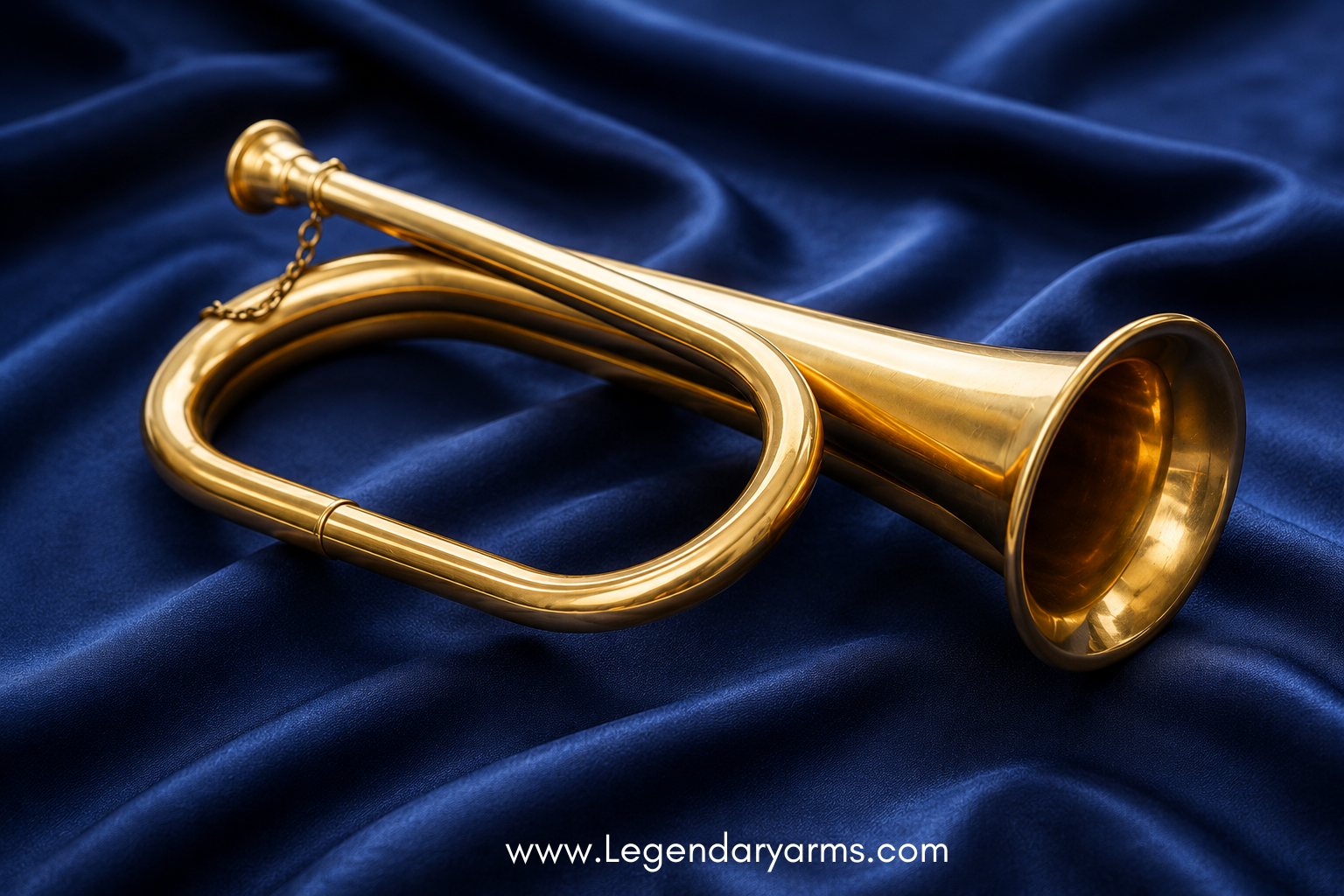
A genuine civil war bugle stands out because of its simple yet durable design. Unlike modern instruments with valves and complex tubing, these bugles were built with a single coiled brass tube, a wide bell, and a mouthpiece. The brass construction gave the instrument a bright, carrying tone while also standing up to rough handling in the field.
Traditional craftsmanship plays a major role in what makes these instruments valuable today. Hand-soldered seams, a properly shaped bell, and accurate proportions are signs of an authentic build rather than a mass-produced piece. Many quality reproductions are still made using methods close to those used during the war, which keeps the look and feel of the original instrument intact.
Buyers should also know the difference between playable and display-quality bugles. A playable civil war bugle is built to handle a real bugle mouthpiece and produce an accurate, clear sound, making it suitable for reenactments and ceremonies. A display piece, on the other hand, focuses purely on appearance and may not be intended for regular use. Knowing which type fits your needs helps avoid disappointment after purchase.
Why the Civil War Bugle Cord Is More Than Just an Accessory
The civil war bugle cord is often overlooked, but it played a real and practical role during the war. Buglers needed to carry their instrument while marching, riding, or standing at attention, and the cord made this possible. By looping over the shoulder or around the body, the cord kept the bugle secure and within reach at all times.
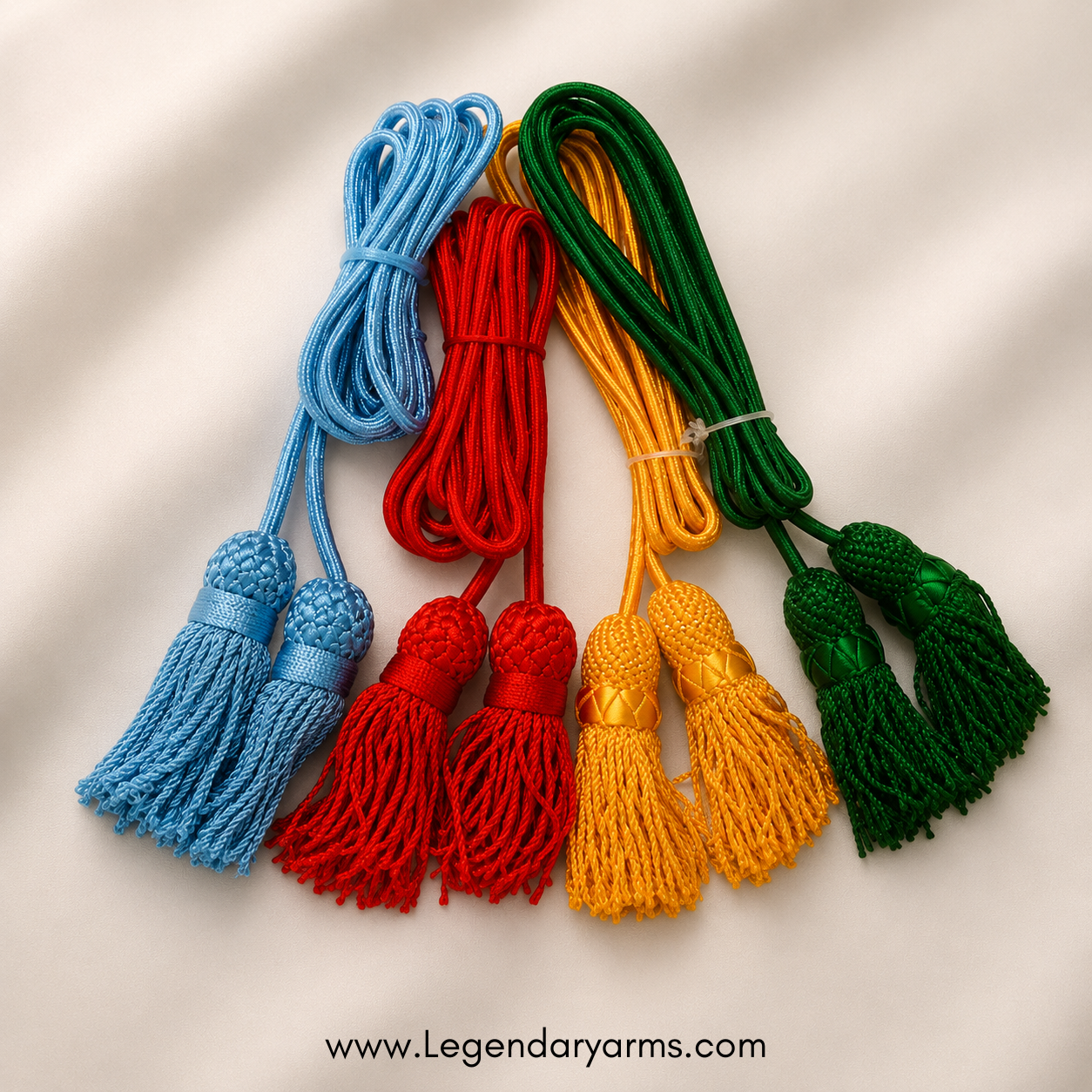
Beyond function, the cord also added a decorative touch that completed a soldier's appearance. Braided cords, often finished with tassels, gave a sense of order and pride to the uniform. Today, this same cord adds authenticity to any display or reenactment outfit. A bugle on its own looks incomplete, but paired with the right cord, it instantly feels accurate to the period.
Cords are available in different colors and braid patterns, often reflecting branch or rank distinctions from the era. Gold, red, and blue tones are common choices, and the braiding style can range from simple twists to more detailed patterns. Choosing a cord that matches the bugle's finish and historical context makes a noticeable difference in overall presentation.
Choosing the Right Civil War Bugle and Bugle Cord
Picking a quality civil war bugle starts with checking the material. Solid brass holds up far better over time than thin or plated metal, and it also produces a more authentic tone if the bugle is meant to be played. Run your fingers along the seams and bell edge; smooth, even joints usually point to better craftsmanship.
The finish matters too. Some buyers prefer a polished brass look, while others want an aged or antique finish that mirrors how an original instrument would appear after years of use. Neither option is wrong, it simply depends on whether the piece is meant for display, reenactment, or ceremonial use.
Think about how you plan to use the bugle before buying. Reenactors need an instrument that can handle a proper bugle mouthpiece and produce consistent sound, while collectors focused purely on display may prioritize appearance and detail over playability. Once the bugle is chosen, match the cord to it. A heavier, antique-finish bugle pairs well with a deeper colored cord, while a polished, ceremonial-style bugle often looks best with a brighter, more formal braid.
A Meaningful Addition to Any Collection
Collectors and reenactors value the civil war bugle and bugle cord because they represent something real. These are not just decorative items; they connect directly to the communication systems that shaped how battles were fought and how camps operated. Owning one offers a tangible link to that history, something a photograph or book cannot fully capture.
For display, many owners choose a wall mount or shadow box, allowing the bugle and cord to be shown together exactly as they would have appeared in use. Draping the cord naturally over the bell or around the body of the bugle creates a balanced, authentic presentation.
Proper care keeps these pieces looking their best for years. Wipe the brass with a soft, dry cloth after handling to prevent fingerprints and tarnish. Avoid storing the bugle in damp areas, as moisture can dull the finish or affect the metal over time. If the bugle is played regularly, remove and clean the mouthpiece separately to keep it in good working condition.
If you are ready to add a meaningful piece of history to your collection, choosing a well-crafted civil war bugle paired with a matching bugle cord is a decision worth taking your time on. Look for solid construction, an accurate finish, and a cord that complements the instrument's style. Together, they offer more than decoration, they offer a genuine connection to the soldiers, signals, and stories of the Civil War era.