
How to Build an Authentic Civil War Officer Uniform
Whether you're participating in a historical reenactment, portraying an officer at a living history event, or expanding your collection of Civil War uniforms, authenticity matters. A well-researched and accurately assembled uniform not only honors the history of the American Civil War but also enhances your credibility among fellow reenactors and history enthusiasts.
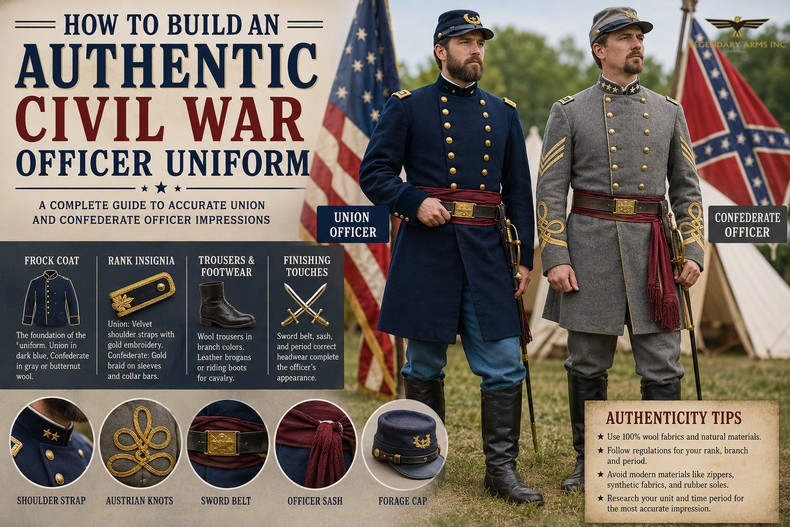
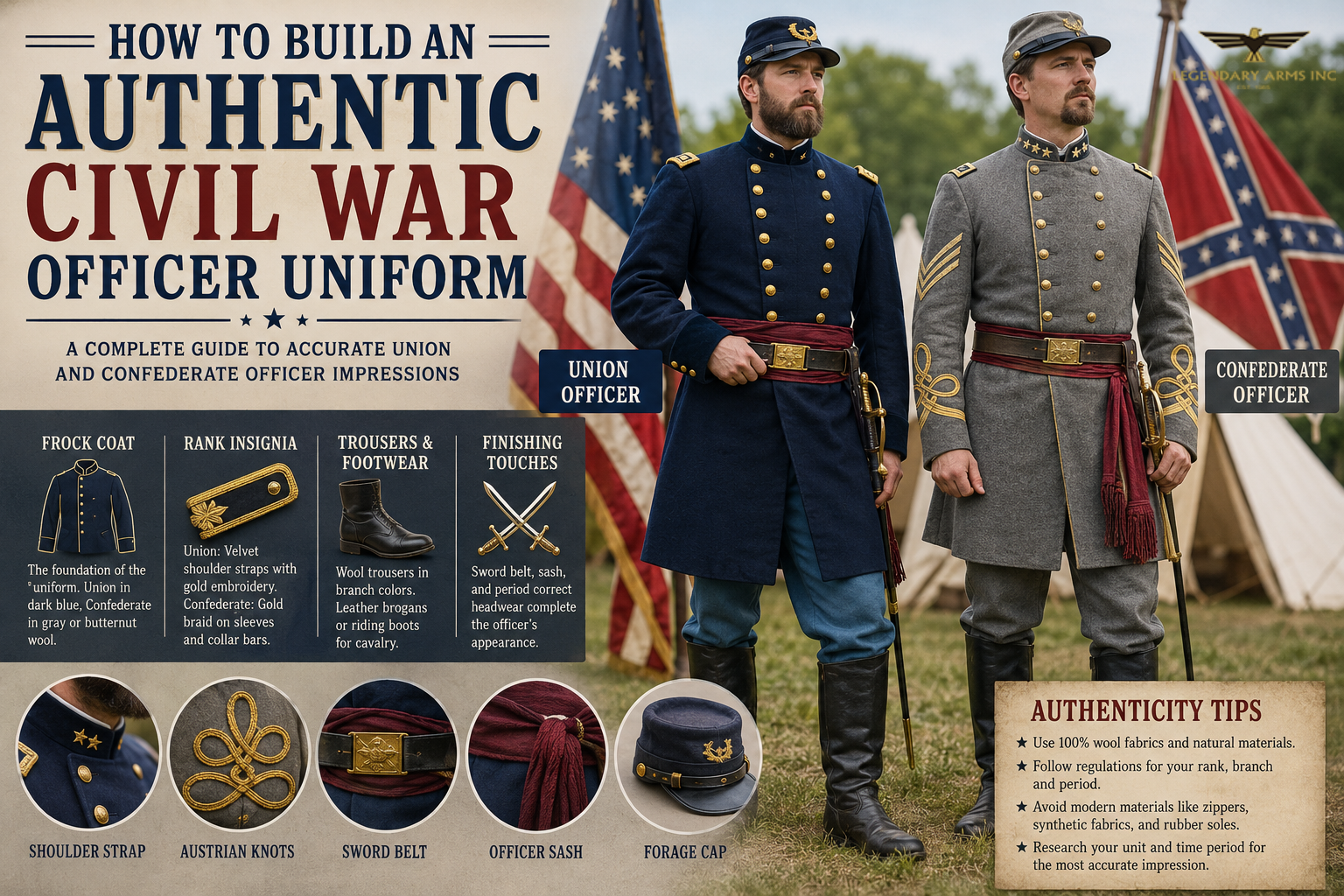
Building an authentic officer's impression requires much more than simply wearing a blue or gray coat. Every detail—from the cut of the frock coat to the style of boots and insignia—reflects military regulations and period craftsmanship. This guide will walk you through the essential components needed to create an accurate American Civil War uniform that captures the appearance of a Union or Confederate officer.
Why Authenticity Matters in Civil War Reenactments
The popularity of Civil War reenactment costumes continues to grow as more people discover the educational value of living history. Authentic uniforms help preserve historical accuracy while paying tribute to the soldiers who served during one of America's most defining conflicts.
Experienced reenactors know that attention to detail separates an authentic impression from an ordinary costume. Investing in quality reenactment clothing for Civil War events not only improves your appearance but also increases comfort and durability during long days in the field.
Start with the Frock Coat
The frock coat is the centerpiece of any officer's Civil War outfit. It was designed to project authority and professionalism while meeting military regulations.
Union Officer Frock Coat
The classic Union Army uniform featured a dark navy blue wool frock coat extending just above the knee. Officers typically purchased their own uniforms from military tailors, resulting in slight variations while still adhering to official regulations.
When selecting a frock coat, look for:
- Heavy 100% wool construction
- Nine-button front closure
- Standing collar
- Tailored officer's fit
- Proper period lining
- Functional cuffs and pockets
Avoid synthetic fabrics, polyester blends, or modern tailoring techniques that compromise historical accuracy.
Confederate Officer Frock Coat
Confederate officers generally wore frock coats made from gray or butternut wool. Due to shortages throughout the war, colors and fabrics varied significantly depending on the region and time period being portrayed.
A quality Confederate officer's coat should feature:
- Medium to heavy wool fabric
- Gray, cadet gray, or butternut coloring
- Period-correct buttons
- Proper military cut
- Hand-finished details whenever possible
The frock coat serves as the foundation of your American Civil War uniform, making it one of the most important investments you'll make.
Add Historically Accurate Rank Insignia
An officer's rank was immediately recognizable through carefully regulated insignia.
Union Officer Insignia
In US Civil War Union uniforms, rank was displayed using velvet shoulder straps bordered with gold embroidery. The embroidered devices indicated the officer's rank, while the strap background represented the military branch.
Examples include:
- Gold bars for lieutenants
- Silver oak leaves for majors
- Silver eagles for colonels
- Stars for generals
Using correctly sized and embroidered shoulder boards dramatically improves the authenticity of your Union Army uniform.
Confederate Officer Insignia
Confederate officers used a different system that relied primarily on gold sleeve braid known as Austrian knots.
Additional rank indicators included:
- Collar bars
- Collar stars
- Branch-specific trim
- Gold lace sleeve decorations
Ensure your insignia matches the exact rank and time period you're portraying, as regulations evolved throughout the war.
Choose the Right Trousers
The trousers complete the overall silhouette of authentic Civil War uniforms.
Union Officer Trousers
Most Union officers wore sky-blue wool trousers, although dark blue trousers were also authorized in certain branches and situations.
Look for trousers featuring:
- High waist
- Suspender buttons
- Button fly
- Period-correct side seam
- Proper wool weight
Avoid modern belt loops or zipper closures, as these immediately reveal a reproduction.
Confederate Officer Trousers
Confederate trousers varied considerably because of wartime supply shortages. Gray, blue-gray, and butternut wool fabrics were common depending on location and availability.
Maintaining consistency between your coat and trousers creates a more convincing Civil War outfit.
Wear Proper Period Footwear
Nothing ruins an otherwise excellent impression faster than modern boots or athletic shoe soles.
Infantry Officers
Most infantry officers wore leather brogans or ankle boots crafted using traditional methods. Quality reproductions feature:
- Leather soles
- Square or rounded period toes
- Hand-pegged or stitched construction
- Minimal modern reinforcement
Cavalry Officers
Mounted officers typically wore tall black leather riding boots designed for horseback service.
Whichever style you choose, avoid:
- Rubber soles
- Visible synthetic stitching
- Modern cushioning
- Contemporary boot designs
Authentic footwear greatly enhances both appearance and historical accuracy during reenactments.
Complete the Uniform with Essential Accessories
Accessories distinguish an officer from enlisted personnel and add realism to your portrayal.
Sword Belt
Every officer should wear a properly fitted leather sword belt with period-accurate brass hardware. The belt supports both the sword and other field equipment while serving as a defining symbol of rank.
Officer's Sash
Silk officer's sashes were worn according to military branch and occasion.
Typical colors included:
- Crimson for infantry
- Buff for generals
- Branch-specific variations depending on regulations
A correctly tied sash instantly elevates your officer's appearance.
Headwear
Your choice of hat depends on the impression you're creating.
Popular options include:
- Forage cap
- Kepi
- Hardee hat
- Felt slouch hat
Each should be constructed using period materials and properly sized for an authentic fit.
Pay Attention to Fabric and Construction
One of the biggest differences between premium Civil War reenactment costumes and inexpensive costume pieces is the quality of materials.
Choose uniforms made from:
- Natural wool
- Cotton lining
- Brass hardware
- Leather accessories
- Hand-finished details where possible
Avoid polyester fabrics, plastic buttons, or machine-made shortcuts that were not used during the Civil War era.
High-quality reenactment clothing for Civil War events may cost more initially, but it provides better durability, greater comfort, and significantly improved historical accuracy.
Research Your Historical Impression
Not every officer wore the exact same uniform. Before purchasing equipment, determine:
- Union or Confederate portrayal
- Infantry, cavalry, or artillery branch
- Officer rank
- Specific regiment
- Year of the war (1861–1865)
- Theater of operations
Uniform regulations changed during the conflict, and field modifications were common. Researching photographs, military records, and original regulations helps ensure your US Civil War Union uniforms or Confederate impression accurately reflects the historical period.
Common Mistakes to Avoid
Many beginners unintentionally reduce the authenticity of their impression by making a few common mistakes.
Avoid:
- Synthetic fabrics
- Incorrect insignia placement
- Modern eyeglasses without period alternatives
- Plastic accessories
- Rubber-soled boots
- Poorly fitted uniforms
- Mixing equipment from different years or military branches
Taking the time to research and invest in quality reproductions results in a far more convincing officer portrayal.
Final Thoughts
Building an authentic officer's Civil War uniform is a rewarding process that combines historical research, craftsmanship, and attention to detail. From selecting the correct frock coat and rank insignia to choosing period footwear and accessories, every component contributes to a realistic and respectful impression.
Whether you're assembling a Union Army uniform, portraying a Confederate officer, or shopping for high-quality Civil War reenactment costumes, authenticity should always be your top priority. Investing in well-made reenactment clothing for Civil War events not only improves your appearance but also honors the history and legacy of those who served during the American Civil War.
A carefully assembled American Civil War uniform allows you to step confidently onto the reenactment field, knowing your portrayal reflects the soldiers and officers of the era with the accuracy and respect they deserve.