
Not Just a Blade: The History, Power, and Timeless Appeal of the Dagger
A dagger is never just a blade.
It’s a piece of history you can hold in your hand. A tool shaped by centuries of survival, craftsmanship, and human ingenuity. From ancient battlefields to modern collections, the dagger has remained one of the most enduring and fascinating weapons ever created.
Today, dagger knives are admired not only for their function but also for their design, symbolism, and versatility. Whether you're drawn to the rugged strength of a fixed blade, the durability of a fulltang knife, or the historical charm of a medieval dagger, there’s something undeniably compelling about these blades.
And once you start exploring them, you realize — a dagger isn’t just something you own… it’s something you connect with.
The Origins of the Dagger: A Tool of Survival and Skill
The story of the dagger begins thousands of years ago, long before modern tools existed.
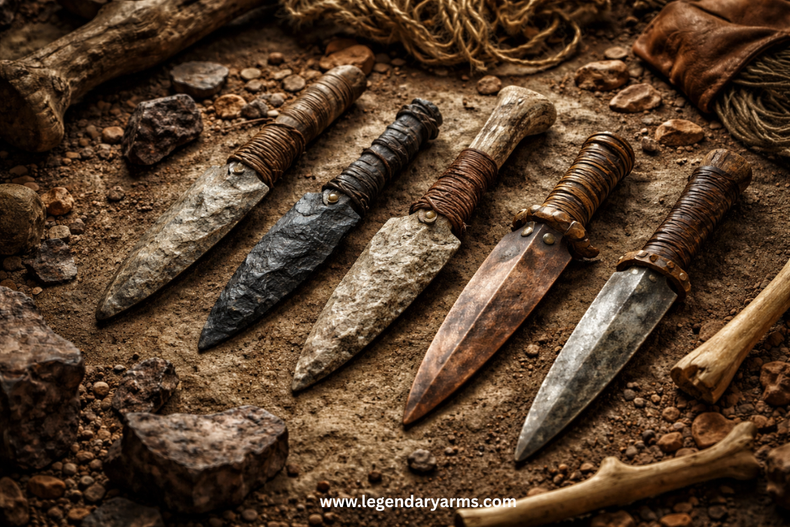
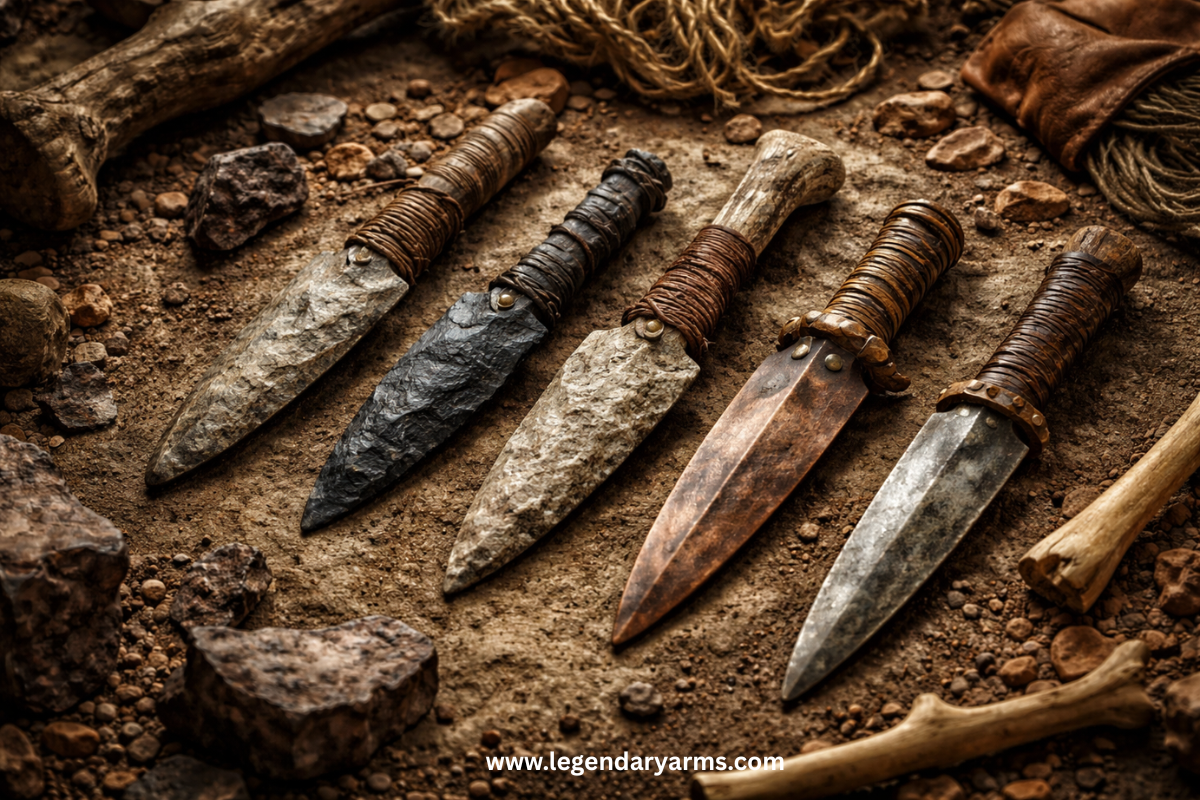
Early humans crafted simple blades using stone and bone, relying on them for hunting, protection, and daily survival. These early daggers were crude, but they were essential. As civilizations progressed, materials evolved — bronze, copper, and eventually iron transformed these tools into sharper, stronger, and more reliable weapons.
What made the dagger unique, even then, was its design. Unlike longer weapons, it was compact, easy to carry, and incredibly effective in close-range situations.
It became more than just a survival tool. It became an extension of the hand — precise, controlled, and personal.
The Medieval Dagger: Where Craftsmanship Met Combat
The medieval dagger represents one of the most iconic stages in the evolution of blades.
During the Middle Ages, warfare changed — armor became stronger, battles became more intense, and fighters needed weapons that could perform in tight, unpredictable situations. That’s where the dagger proved its true value.
Knights and soldiers carried daggers as secondary weapons, but they were far from secondary in importance. In close combat, when swords were no longer practical, the dagger became the weapon of choice.
Several distinct styles emerged during this period:
- Rondel Daggers – Designed specifically to penetrate gaps in armor
- Bollock Daggers – Commonly worn and used for both combat and everyday protection
- Stiletto Daggers – Slim, sharp, and built for precision strikes
Beyond their function, daggers also became symbols. Owning a finely crafted dagger signified status, readiness, and even honor.
Even today, collectors are drawn to these designs because they represent a time when every blade had a purpose — and every detail mattered.
The Evolution into Modern Dagger Knives
While history gives the dagger its soul, modern innovation gives it new life.
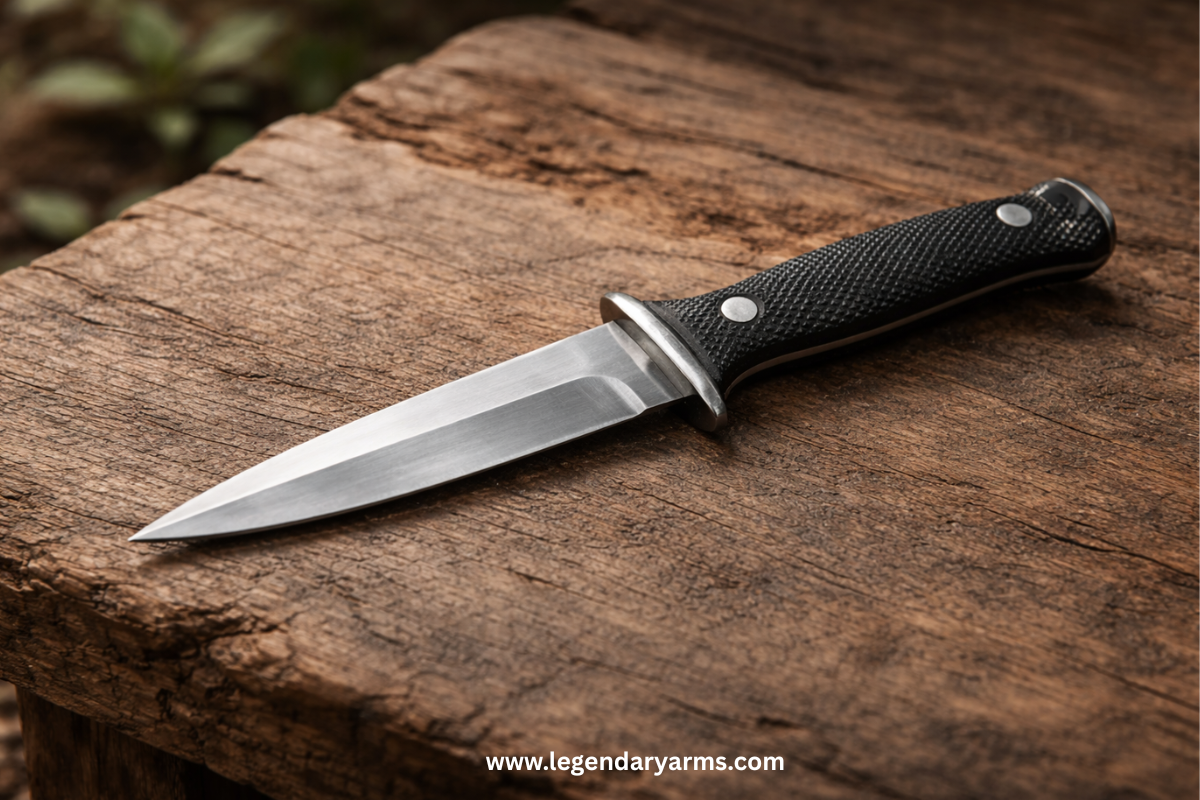
Today’s dagger knives combine traditional design with advanced materials and engineering. Steel quality has improved dramatically, offering better edge retention and resistance to wear. Handles are designed for comfort and grip, ensuring control in all conditions.
One of the defining features of modern daggers is the fulltang knife construction.
A fulltang blade extends through the entire handle, making it:
- Stronger and more durable
- Better balanced
- Less likely to break under pressure
This makes modern daggers ideal not only for collectors but also for practical use — whether in outdoor environments, survival situations, or tactical applications.
The addition of fixed blade designs further enhances reliability. Without moving parts, these daggers offer simplicity and strength, making them a trusted choice for serious users.
Legendary Craftsmanship: Daggers Worth Exploring
When it comes to choosing a dagger, craftsmanship is everything.
Well-crafted daggers don’t just look impressive — they feel balanced, reliable, and purposeful. Platforms like LegendaryArms showcase pieces that capture this balance between traditional inspiration and modern performance.
Here are a few styles you can naturally incorporate into your blog:
Medieval-Inspired Dagger
This style reflects the elegance and raw functionality of historical blades. With classic shapes and detailed finishing, it’s perfect for collectors who appreciate authenticity and timeless design.
Tactical Fixed Blade Dagger
Designed with performance in mind, this dagger offers strength, grip, and reliability. Whether for outdoor use or practical scenarios, it delivers consistent performance.
Fulltang Combat Dagger
A premium option built for durability and control. The fulltang knife construction ensures it can handle demanding use while maintaining balance and precision.
The Irish Dagger: Tradition, Identity, and Elegance
The irish dagger adds a unique cultural dimension to the story of blades.
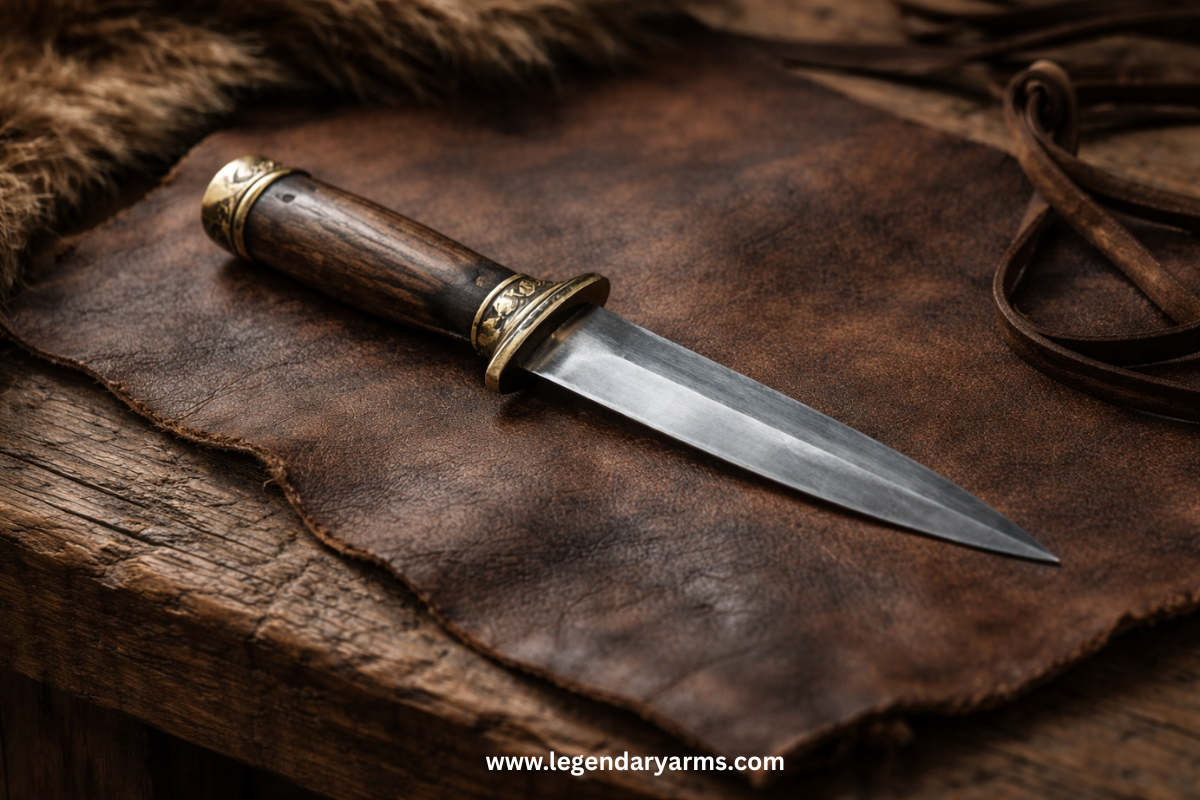
Often associated with traditional attire, particularly the Sgian Dubh, these daggers were historically worn as a sign of readiness and respect. Unlike purely combat-focused blades, they carried a deeper meaning — one tied to heritage and identity.
Small, elegant, and carefully crafted, Irish daggers continue to attract attention today. For collectors, they represent a blend of culture and craftsmanship that stands apart from more tactical designs.
Why Daggers Continue to Captivate Us
In a world dominated by modern technology, why do daggers still hold such appeal?
Because they represent something timeless.
A dagger is not just about utility — it’s about connection. It connects us to history, to craftsmanship, and to the idea of precision. There’s something deeply satisfying about holding a tool that has remained relevant for centuries.
Unlike larger weapons, a dagger feels personal. It fits naturally in the hand. It’s controlled, intentional, and direct.
For collectors, it’s about artistry.
For enthusiasts, it’s about performance.
For many, it’s about both.
Practical Uses of Modern Daggers
While often admired for their history, daggers are still highly practical tools today.
Modern dagger knives are used for:
- Outdoor activities and camping
- Survival situations
- Tactical and self-defense applications
- Collection and display
A well-made fixed blade dagger offers reliability in situations where folding knives might fail. Combined with a fulltang knife design, it becomes a tool you can depend on when it matters most.
How to Choose the Right Dagger
Choosing the right dagger isn’t just about looks — it’s about purpose and quality.
1. Understand Your Purpose
Ask yourself:
- Are you collecting or displaying?
- Do you need it for outdoor or practical use?
- Are you interested in historical designs?
2. Focus on Construction Quality
Look for:
- Fulltang knife construction
- High-quality steel
- A comfortable, non-slip handle
These features ensure durability, balance, and long-term performance.
3. Choose a Style That Resonates
- A medieval dagger for history and authenticity
- A modern fixed blade for functionality
- An irish dagger for cultural significance
The best dagger is the one that fits both your needs and your personal style.
The Emotional Appeal: Why It Feels Different
There’s something about a dagger that sets it apart from other tools.
It’s not oversized or complicated. It’s simple, refined, and intentional. Every curve, every edge, every detail serves a purpose.
That simplicity is what makes it powerful.
Owning a dagger isn’t just about having a blade — it’s about appreciating the balance between design and function. It’s about recognizing the craftsmanship behind it.
And in many ways, it’s about owning something that has stood the test of time.
Final Thought
The dagger has traveled through centuries, evolving with each generation while never losing its essence.
From ancient survival tool to modern masterpiece, it continues to represent precision, strength, and craftsmanship. Whether you’re drawn to the historical beauty of a medieval dagger, the durability of a fulltang knife, or the practicality of a fixed blade, there’s no denying its enduring appeal.
And perhaps that’s what makes it special.
Because in a fast-changing world, the dagger remains constant —
a timeless blade with a story to tell.