
The Rise of Cavalry in the American Civil War: From Tradition to Tactical Power
Long before engines roared across battlefields, war had a different sound—the rhythmic thunder of hooves charging across open land.
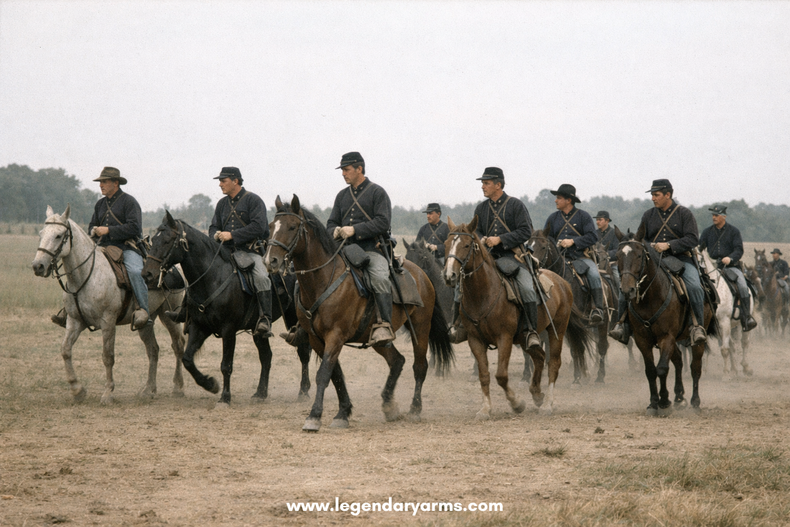
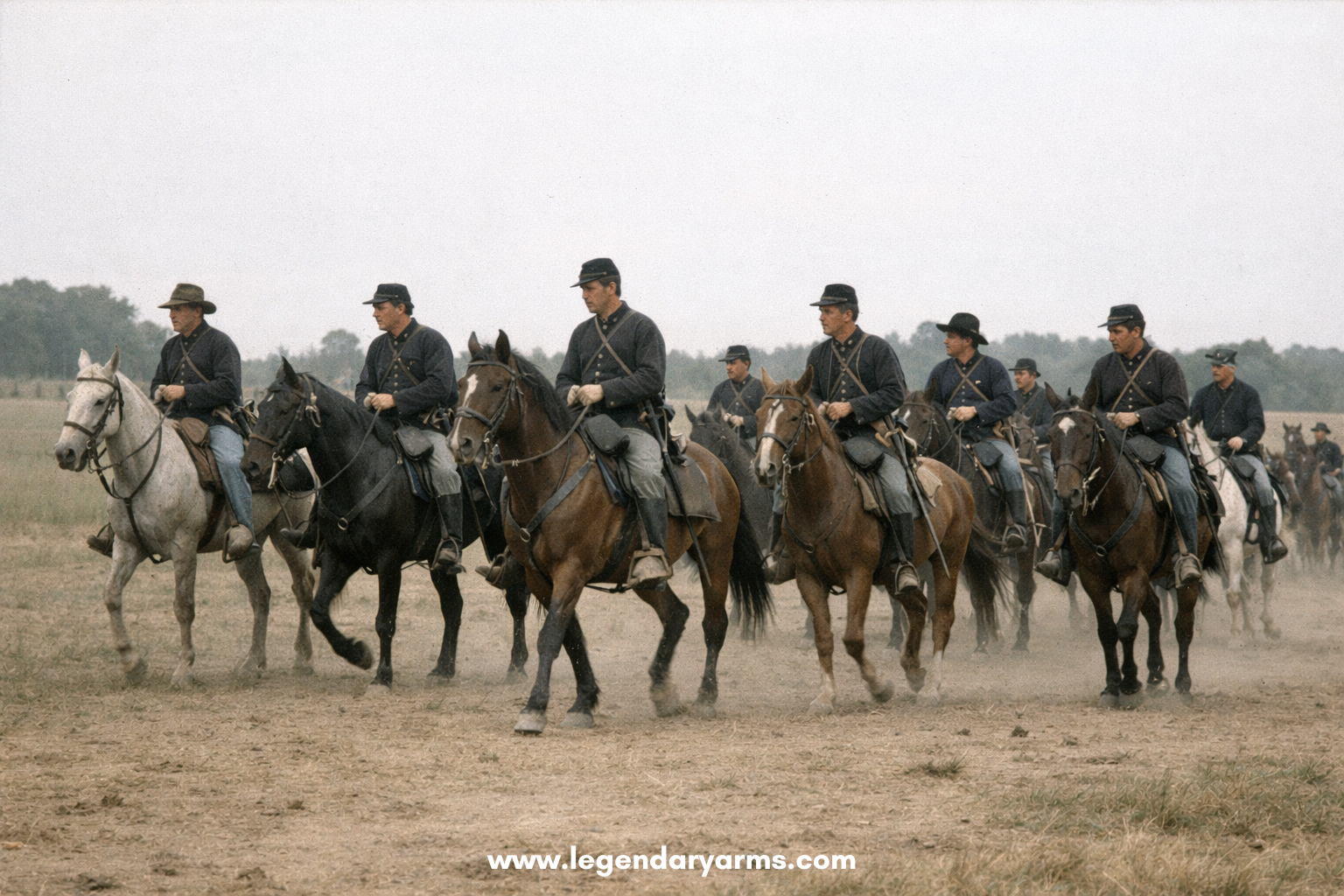
In the American Civil War, the cavalry wasn’t just another military unit. They were the eyes, the speed, and often the surprise element of an army. To many soldiers watching from afar, the sight of mounted troops advancing with a gleaming cavalry sword and dressed in a distinct cavalry uniform was both awe-inspiring and terrifying.
But cavalry was more than dramatic charges and heroic imagery. Behind those moments was a quiet transformation—one that turned these horse-mounted soldiers into one of the most effective forces of the war.
Who Were the Cavalry, Really?
If you imagine cavalry as soldiers simply riding into battle, you’re only seeing half the picture.
The truth is, the cavalry played some of the most critical roles in the Civil War—often without firing a single shot.
They were:
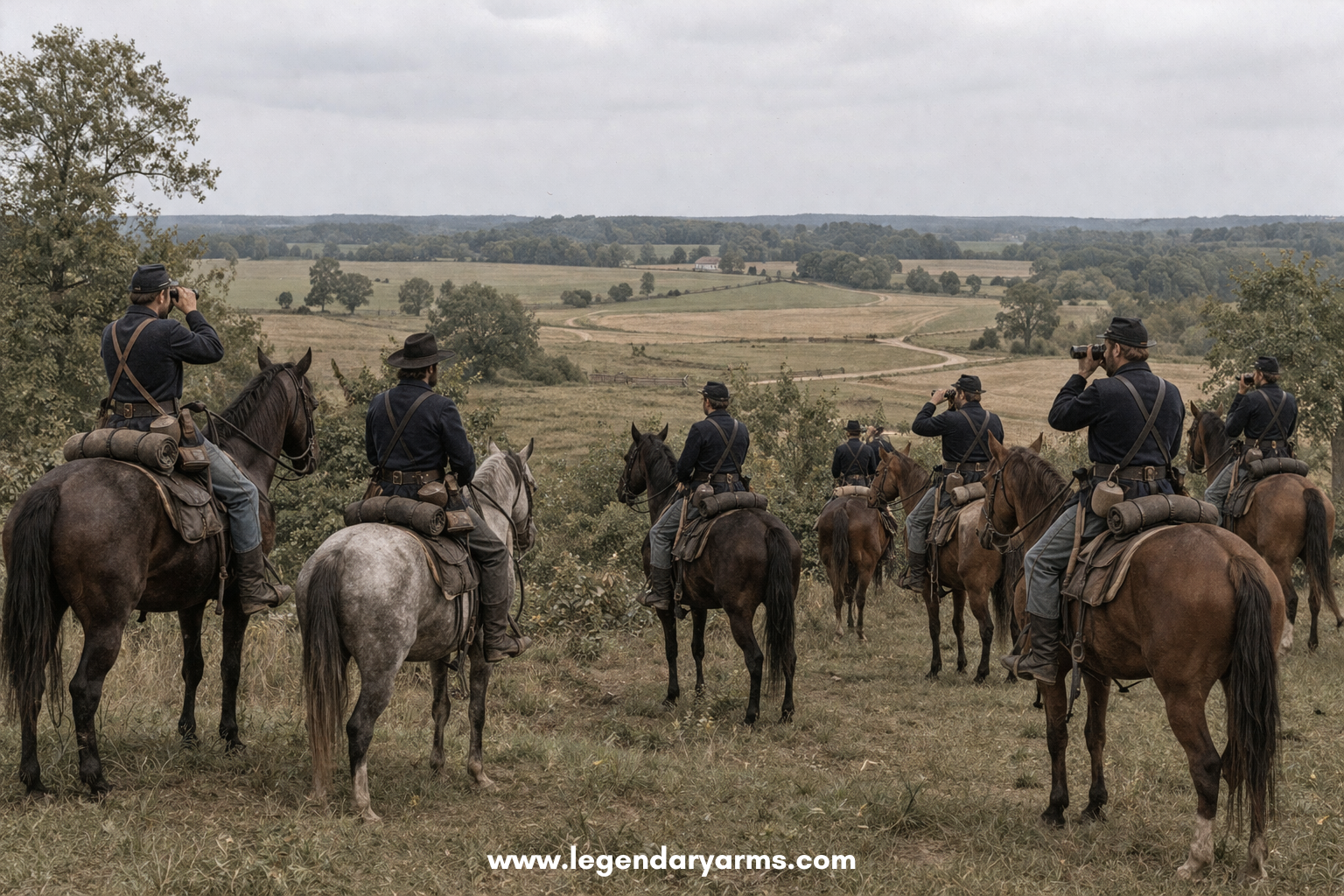
- Scouts riding miles ahead of the army
- Messengers carrying urgent orders across dangerous terrain
- Raiders striking supply lines in the dead of night
- Protectors shielding infantry from surprise attacks
While infantry fought head-on battles, cavalry moved like shadows—fast, flexible, and always one step ahead.
Their greatest strength wasn’t just their weapons. It was their speed.
A Tradition That Faced Reality
At the start of the war, many cavalry units followed old European traditions. The idea was simple: ride fast, charge hard, and use the cavalry sword to break enemy lines.
It looked powerful. It felt heroic.
But reality had other plans.
As the war progressed, new developments in the american civil war weapon landscape—especially more accurate firearms—made those classic charges dangerous. What once worked in open fields now led to heavy losses.
So cavalry adapted.
Instead of always charging, they began to:
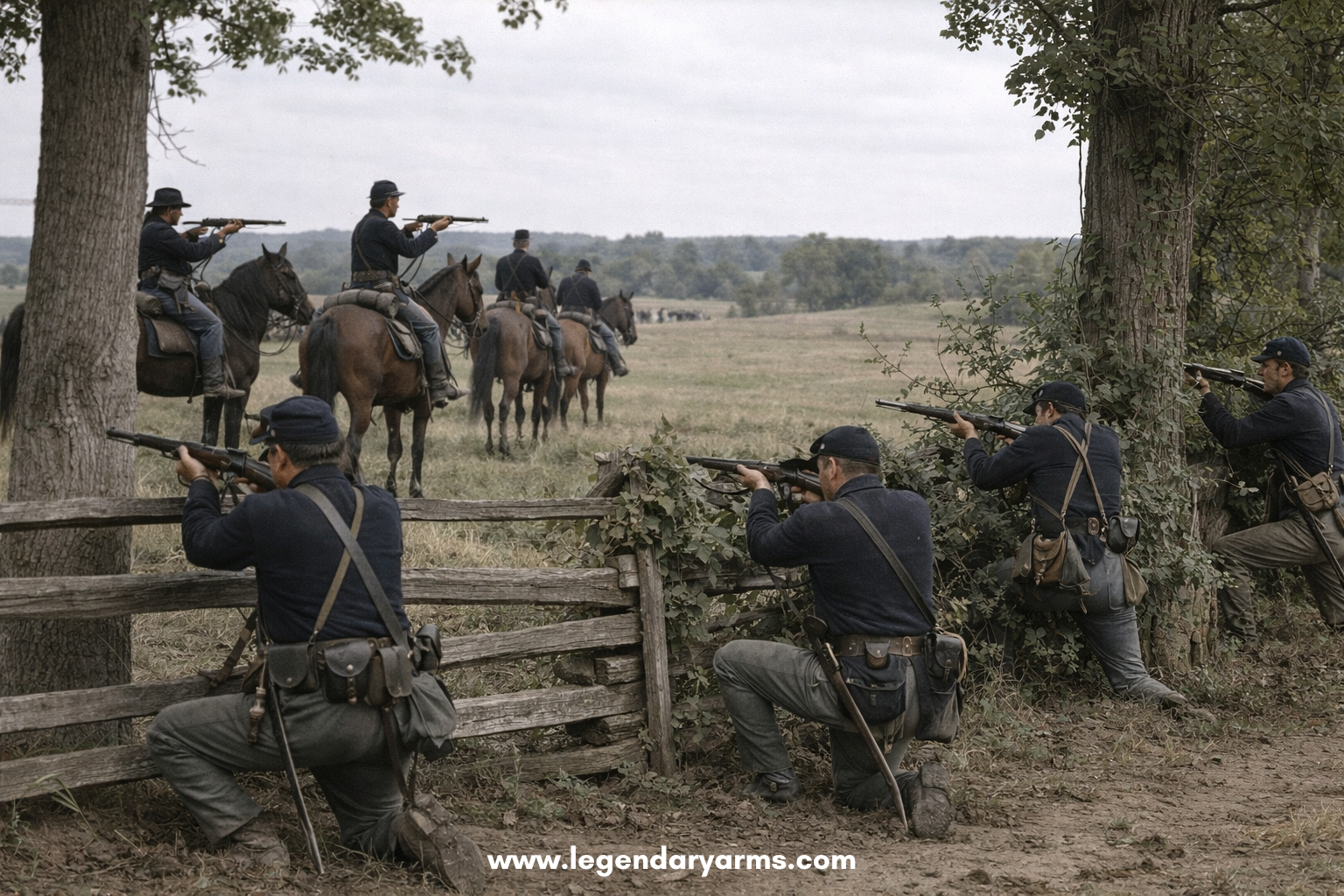
- Fight on foot using carbines
- Use revolvers for quick, close combat
- Focus on strategy instead of spectacle
This shift didn’t weaken the cavalry—it made them smarter, more efficient, and far more dangerous.
The Cavalry Uniform: More Than Just Appearance
There’s something instantly recognizable about a cavalry uniform.
The boots, the fitted jackets, the distinct colors—especially the yellow trim often associated with cavalry units—weren’t just for show.
Every piece had a purpose.
- Short jackets made it easier to move while riding
- High boots protected legs during long hours in the saddle
- Hats and kepis offered both function and identity
But beyond practicality, uniforms carried pride.
For many soldiers, wearing a cavalry uniform meant belonging to an elite group—one that moved faster, struck harder, and often carried greater responsibility than others on the field.
Weapons That Defined the Cavalry
When people think of cavalry, they often picture a raised cavalry sword glinting in the sun.
And yes, the saber was iconic.
But it wasn’t the whole story.
Cavalry soldiers carried a mix of weapons that made them incredibly versatile:
- Sabers: Still used in close combat and charges
- Carbines: Short, practical firearms for mounted or dismounted fighting
- Revolvers: Quick and reliable in fast-moving situations
This combination allowed cavalry units to adapt instantly—whether they were charging, defending, or skirmishing.
In many ways, they were the most flexible fighters on the battlefield.
Life in the Saddle: More Than Just Battle
It’s easy to focus on combat, but cavalry life was just as much about endurance as it was about fighting.
Days often began before sunrise and ended long after dark. Soldiers rode for miles, sometimes with little rest, constantly alert for danger.
And then there were the horses.
A cavalry soldier depended on his horse for survival. That meant feeding, grooming, and caring for the animal—even in the harshest conditions.
Because without the horse, there was no cavalry.
Why Cavalry Became So Powerful
As the war continued, something changed.
Commanders began to see cavalry not just as support—but as a strategic advantage.
They could:
- Move faster than any infantry unit
- Strike where the enemy least expected
- Gather intelligence that shaped entire battles
- Disrupt supply lines and weaken armies without direct confrontation
By the later stages of the war, cavalry units weren’t just participating in battles—they were shaping them.
They became the difference between reacting and anticipating.
A Turning Point in Warfare
What makes the story of the cavalry so compelling isn’t just what they did—it’s how they changed.
They started as traditional horse-mounted fighters, relying heavily on the cavalry sword and old-world tactics.
But they evolved.
They embraced new weapons, adapted to new challenges, and redefined their role on the battlefield.
In doing so, they became something much greater than tradition—they became a symbol of transformation in warfare itself.
Conclusion: The Riders Who Changed the Battlefield
The rise of cavalry during the American Civil War is a story of adaptation, resilience, and innovation.
From the carefully designed cavalry uniform to the evolving use of the american civil war weapon arsenal, every detail reflects a force learning and growing in real time.
These weren’t just soldiers on horseback.
They were scouts, strategists, fighters, and survivors—men who carried the war forward at full speed.
And long after the dust settled, their impact remained, shaping the future of warfare in ways that still echo today.