
How Cavalry Changed Warfare: Tactics, Charges, and Reconnaissance in the Civil War
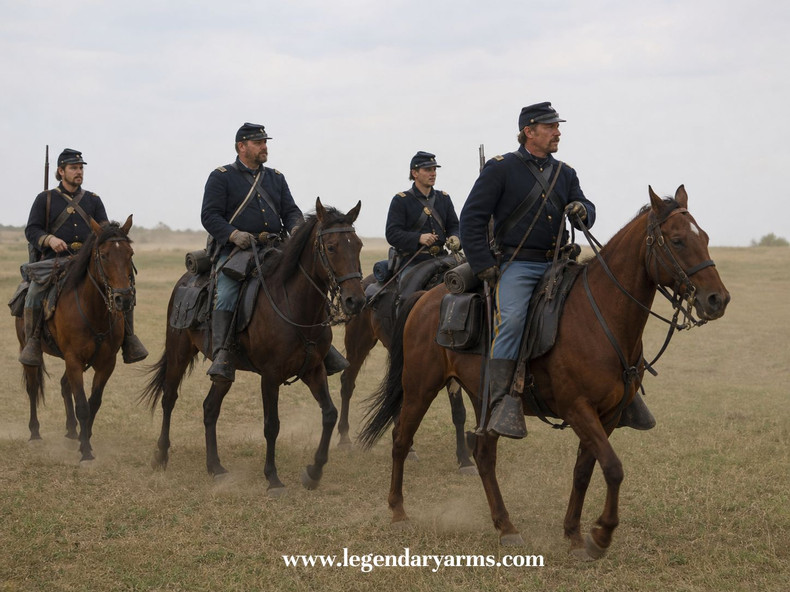
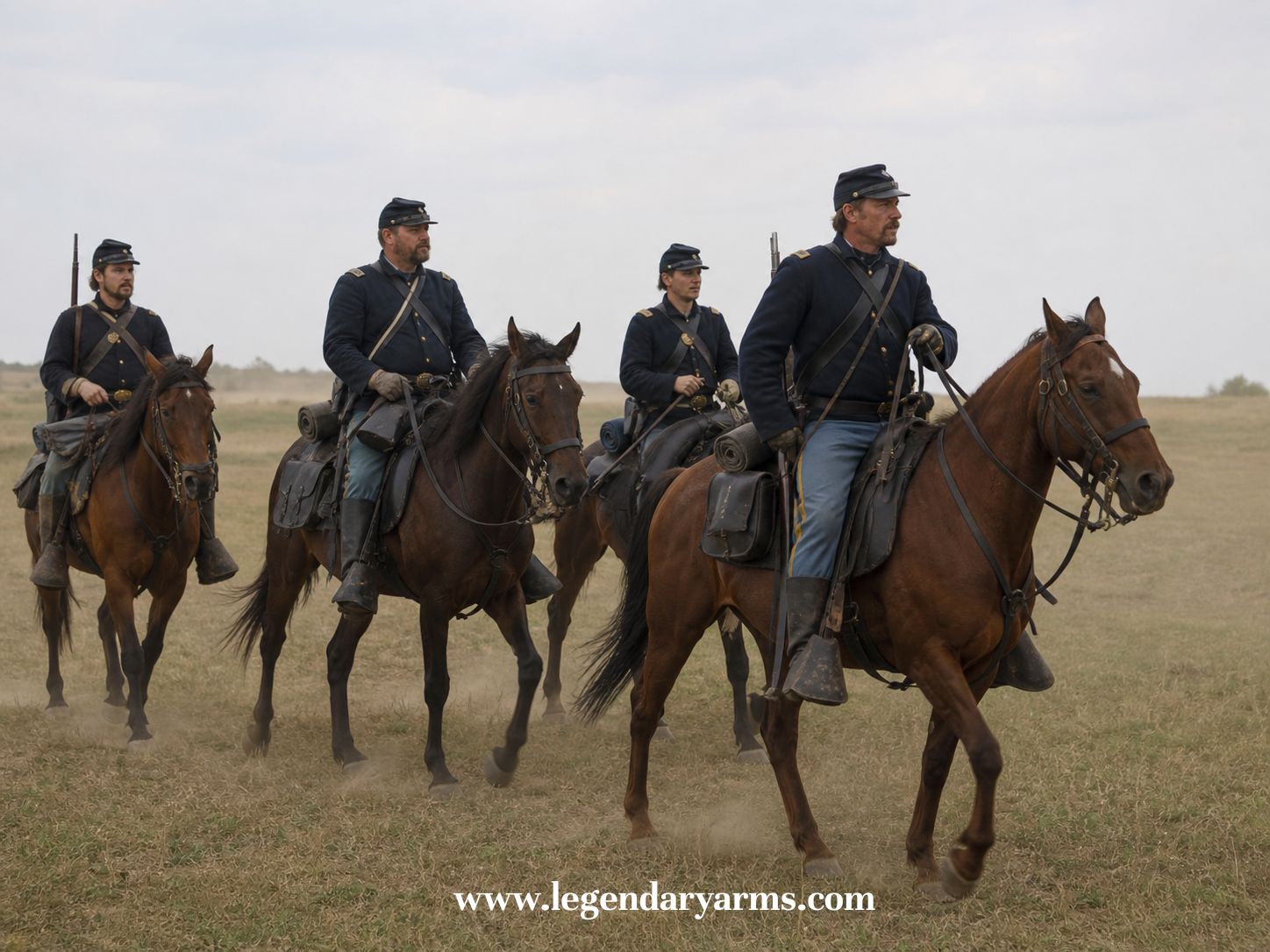
Cavalry units were among the most adaptable forces in the American Civil War. While their speed made them valuable, it was their ability to evolve that truly changed the nature of warfare.
As the conflict progressed, traditional fighting methods began to break down. New weapons, shifting strategies, and changing battlefield conditions forced armies to rethink how they used their troops. Cavalry, with its flexibility and mobility, became a key part of that transformation.
From aggressive charges to intelligence gathering, cavalry units played a critical role in shaping American Civil War battles. Their actions influenced not just how battles were fought but also how entire campaigns were planned.
The Evolution of Civil War Battle Tactics
At the beginning of the war, many military leaders still relied on traditional strategies. Cavalry was expected to charge, chase retreating forces, and support infantry in predictable ways.
But the battlefield quickly proved that these methods were no longer enough.
Advancements in American Civil War weapons—especially more accurate and longer-range firearms—made direct attacks more dangerous. Armies needed new civil war battle tactics that focused on positioning, timing, and adaptability.
Cavalry quickly adapted to fill this role.
Instead of relying only on direct attacks, they began to
- Scout ahead of advancing armies
- Monitor enemy movement and positioning
- Control key routes and terrain
- Provide flexible support during combat
This shift turned cavalry into a tactical advantage rather than just a supporting unit. Their ability to respond quickly made them essential in both offensive and defensive operations.
Cavalry Charges: Power, Risk, and Precision
Few images capture the spirit of the Civil War like a cavalry charge. Soldiers rushing forward with a cavalry sword in hand created a powerful visual of speed and aggression.
In the early stages of the war, these charges were used more frequently. When successful, they could break enemy lines, disrupt formations, and create chaos.
However, the reality of combat soon changed how these charges were used.
With improved firearms, infantry units could defend themselves more effectively. Charging directly into well-prepared enemy lines often led to heavy losses.
As a result, cavalry charges became more strategic and selective.
They were typically used.
- Against weakened or disorganized enemy forces
- During surprise attacks
- To exploit openings in the battlefield
The cavalry sword remained important in close combat, but it was no longer the primary focus of cavalry tactics. Instead, charges became just one part of a larger, more flexible strategy.
Reconnaissance: The True Strength of Cavalry
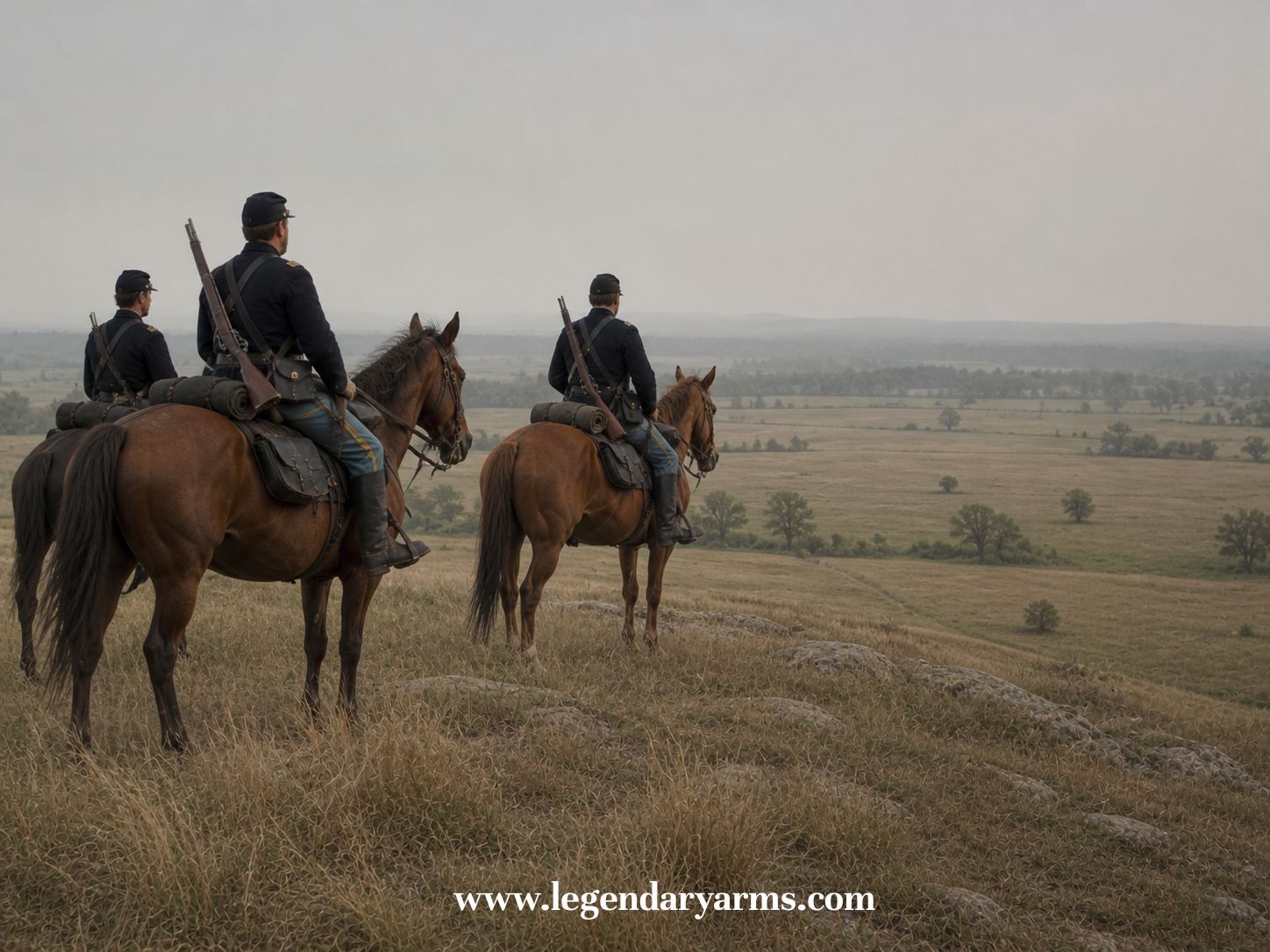
One of the most valuable roles cavalry played was reconnaissance.
In a time without modern communication, accurate information was critical. Commanders depended on cavalry units to gather intelligence about enemy movements, terrain, and positioning.
This made cavalry the “eyes and ears” of the army.
Their responsibilities included:
- Scouting ahead of advancing forces
- Tracking enemy troop movements
- Reporting changes in battlefield conditions
- Identifying weaknesses in enemy defenses
This information often shaped entire strategies.
In many American Civil War battles, success depended not just on strength but on who had better intelligence. Cavalry provided that advantage, allowing commanders to make informed decisions.
Raids and Disruption: Fighting Beyond the Front Lines
Cavalry’s role extended far beyond direct combat. Their speed allowed them to operate deep behind enemy lines, where they could disrupt critical systems and create confusion.
These raids were a key part of their effectiveness.
Cavalry units carried out missions such as the following:
- Destroying railroads and supply routes
- Cutting communication lines
- Attacking supply depots
- Forcing enemy forces to redirect resources
These actions weakened opponents long before major battles took place.
In the broader context of American Civil War history, cavalry raids often had lasting strategic effects. They slowed enemy movement, disrupted planning, and created uncertainty across entire regions.
This made cavalry a constant threat—even when no major battle was underway.
Dismounted Combat: Adapting to the Battlefield
One of the most important changes in cavalry tactics was the increased use of dismounted combat.
Rather than always fighting on horseback, cavalry soldiers often dismounted and fought on foot. This allowed them to use their carbines more effectively and take advantage of cover.
This approach offered several key benefits:
- Improved accuracy in combat
- Greater protection from enemy fire
- Better use of terrain and positioning
It also made cavalry more versatile.
In many American Civil War battles, cavalry units fought like infantry when needed, then returned to mounted movement once the situation changed. This flexibility allowed them to adapt quickly to different conditions.
Uniforms and Equipment: Designed for Mobility
Cavalry effectiveness wasn’t just about tactics—it also depended on equipment and design.
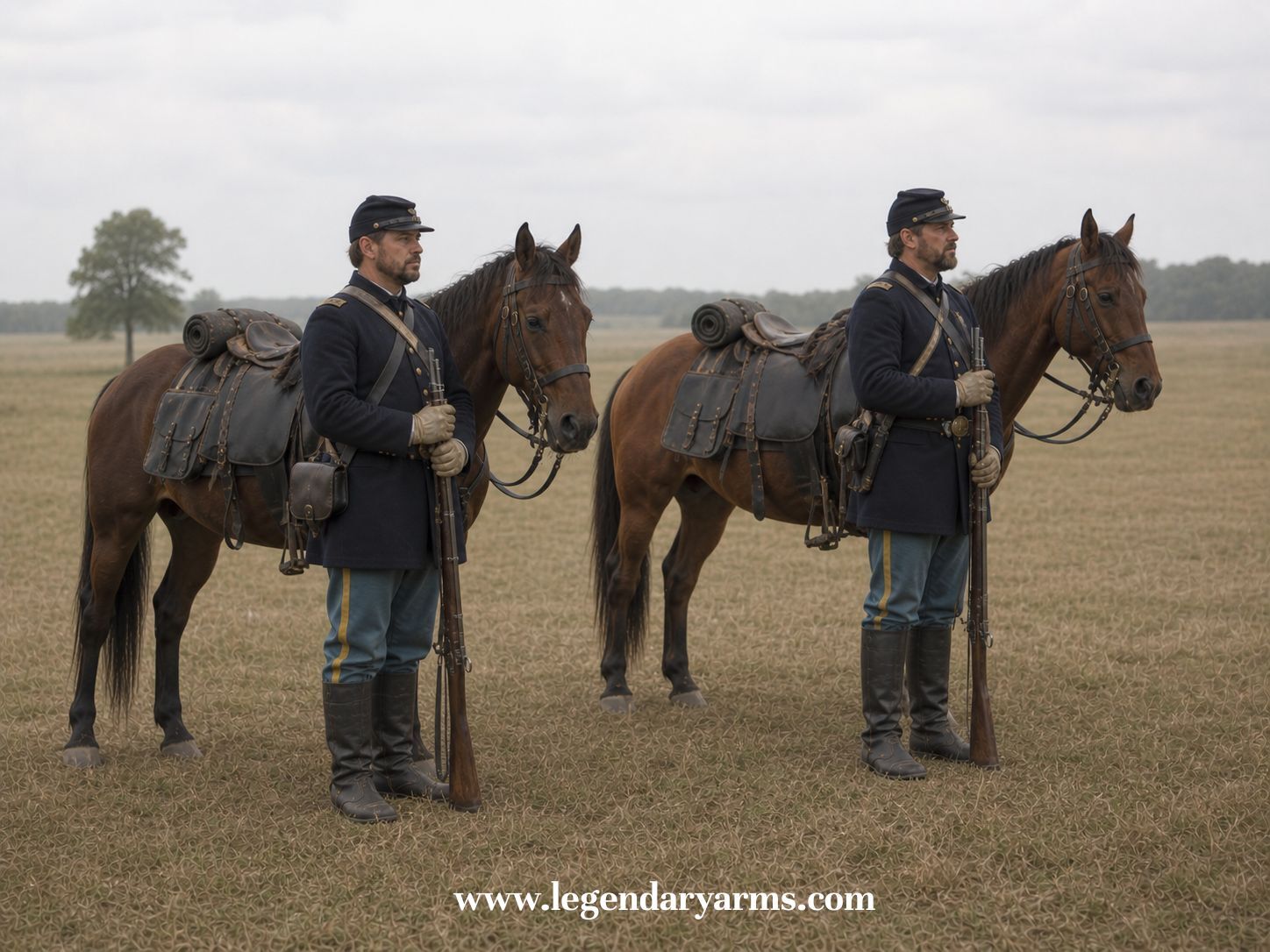
Cavalry uniform styles were built for mobility, endurance, and practicality. Soldiers needed to ride long distances, access their weapons quickly, and remain comfortable during extended operations.
American Civil War uniforms for cavalry typically included the following:
- Durable materials suited for long rides
- Holsters for revolvers
- Straps or slings for carrying firearms
- Functional designs that allowed easy movement
This practical approach ensured that cavalry soldiers could operate efficiently in both combat and reconnaissance roles.
How Cavalry Shaped the Outcome of Battles
By the later stages of the war, cavalry had become a decisive force.
They were no longer limited to supporting roles—they actively influenced how battles unfolded.
Their impact could be seen in:
- Pre-battle intelligence gathering
- Mid-battle maneuvering and support
- Post-battle pursuit of retreating forces
In many American Civil War battles, cavalry units determined the pace and direction of engagements.
They could delay enemy movements, create opportunities for attack, or prevent organized retreats. This level of influence made them one of the most valuable components of any army.
The Human Factor: Skill and Decision-Making
Behind every successful cavalry action was a soldier making quick decisions under pressure.
Cavalry soldiers had to balance multiple responsibilities at once:
- Controlling their horse
- Managing multiple weapons
- Reading the battlefield
- Responding to sudden changes
This required skill, discipline, and experience.
Unlike infantry, cavalry soldiers operated in constantly changing conditions. Their effectiveness depended not just on weapons or tactics but on their ability to adapt in real time.
This human element played a crucial role in their success.
A Lasting Impact on Warfare
Cavalry in the American Civil War represented a turning point in military strategy.
They evolved from traditional mounted units into flexible, multi-purpose forces capable of influencing every stage of a campaign. Through changing civil war battle tactics, strategic reconnaissance, and carefully planned charges, cavalry reshaped how wars were fought.
Their ability to adapt—combined with the effective use of American Civil War weapons—ensured their relevance even as the nature of warfare changed.
In the broader story of American Civil War history, cavalry stands as a clear example of innovation and adaptability.
They were not just fast—they were strategic, resourceful, and essential to the outcome of the war.